Exposiciones 2025

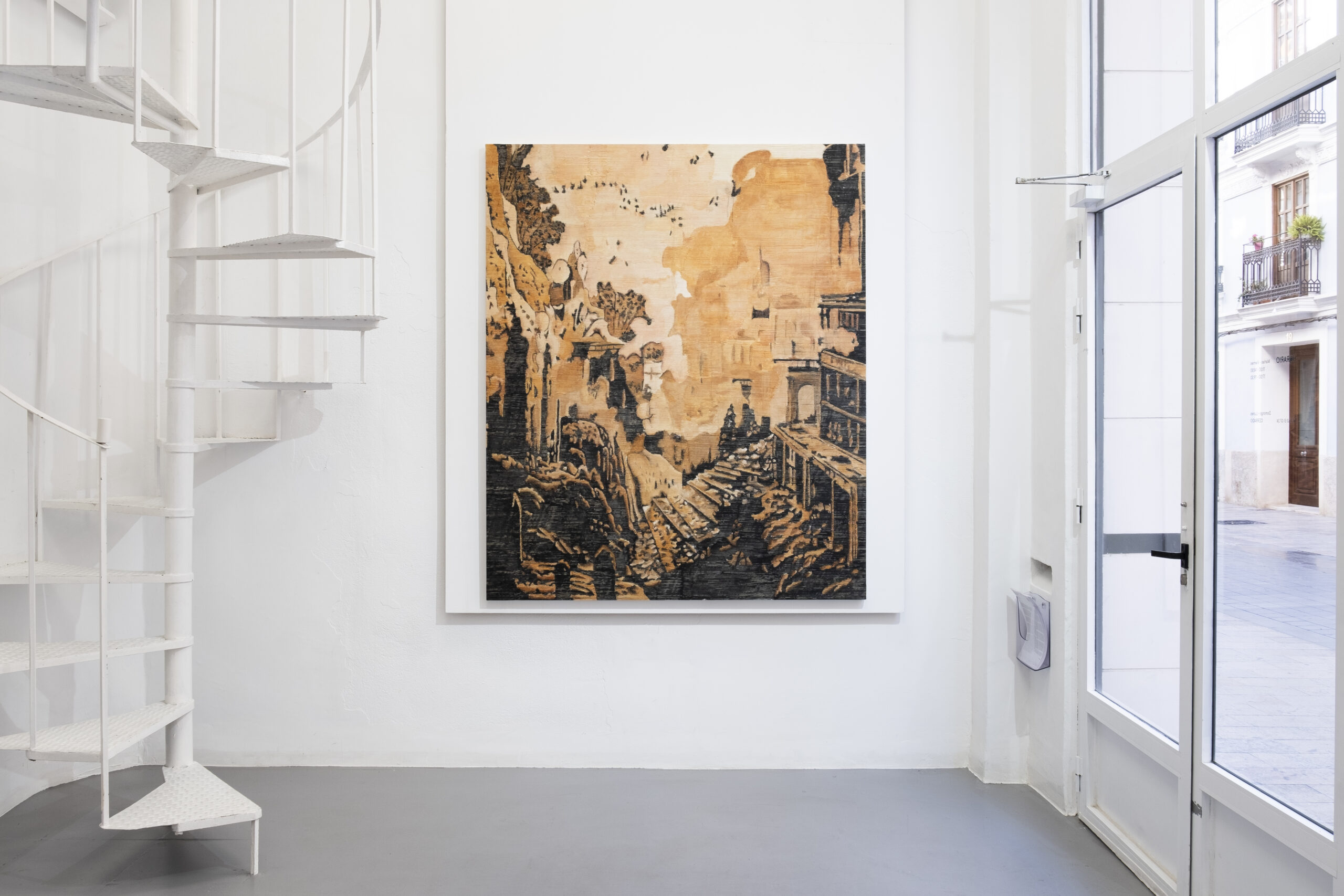
PAISAJES DEL DESPLAZAMIENTO

PAISAJES DEL DESPLAZAMIENT0

27.11.2025 – 24.01.2026

Keke Vilabelda & Federico Miró


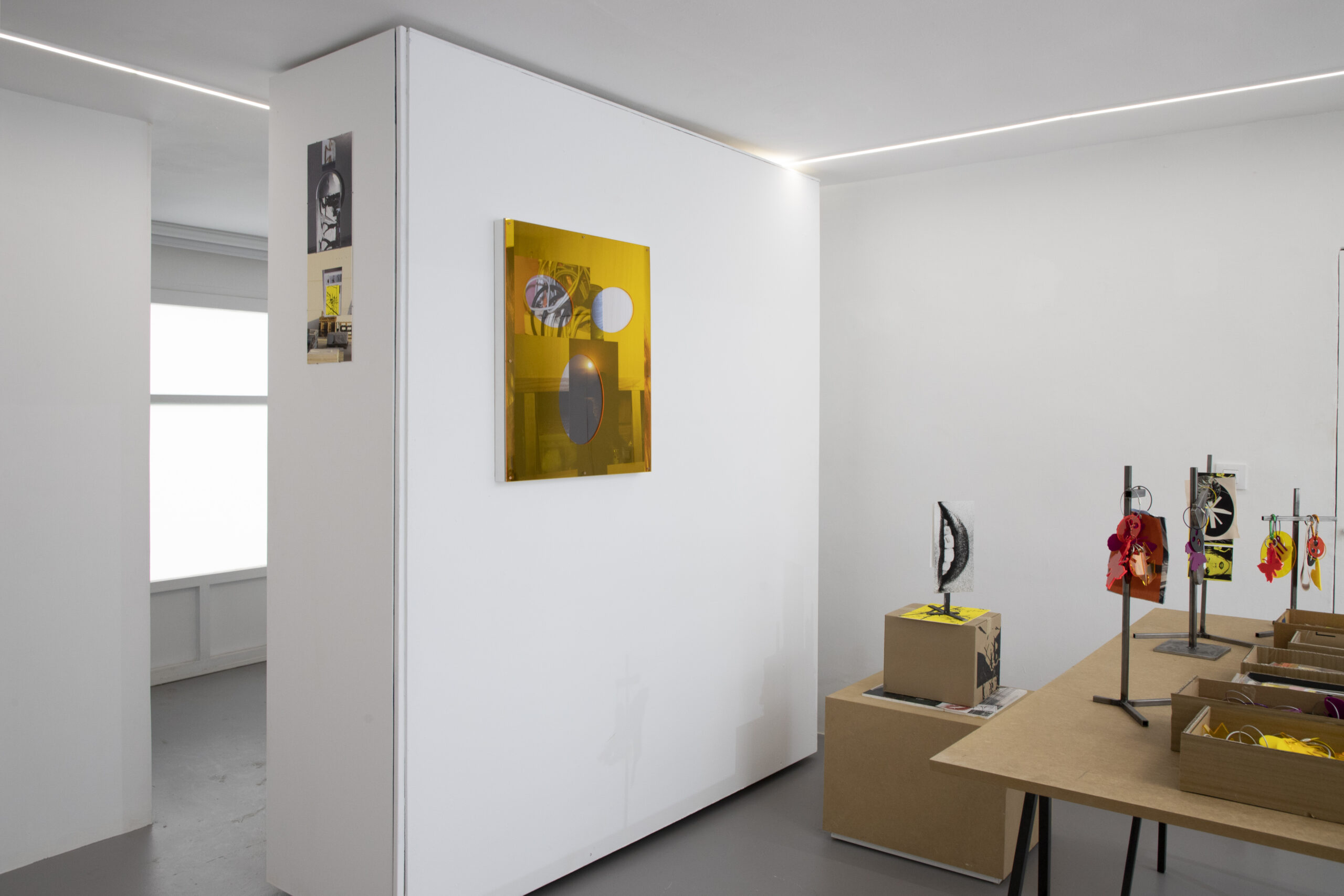
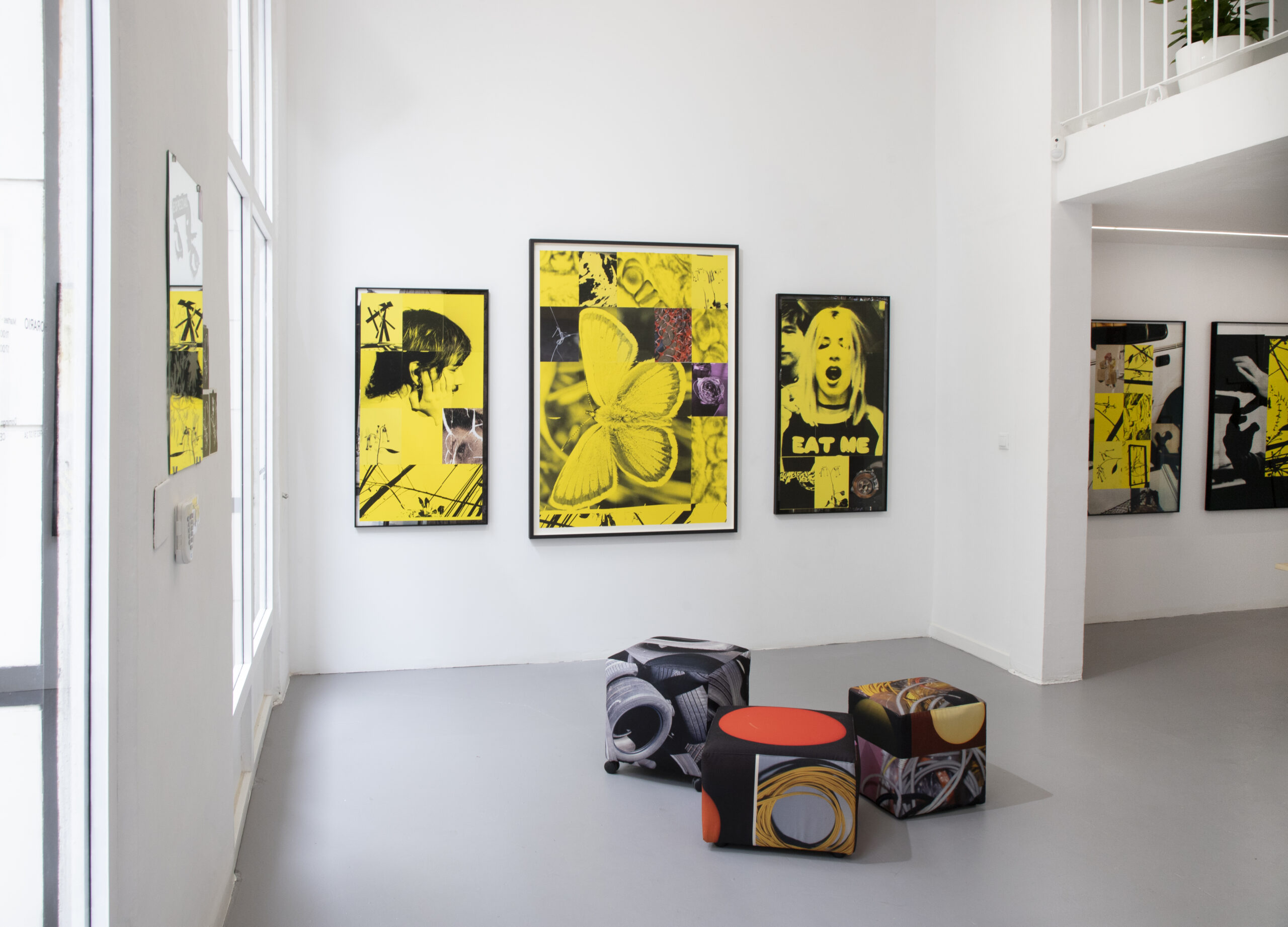
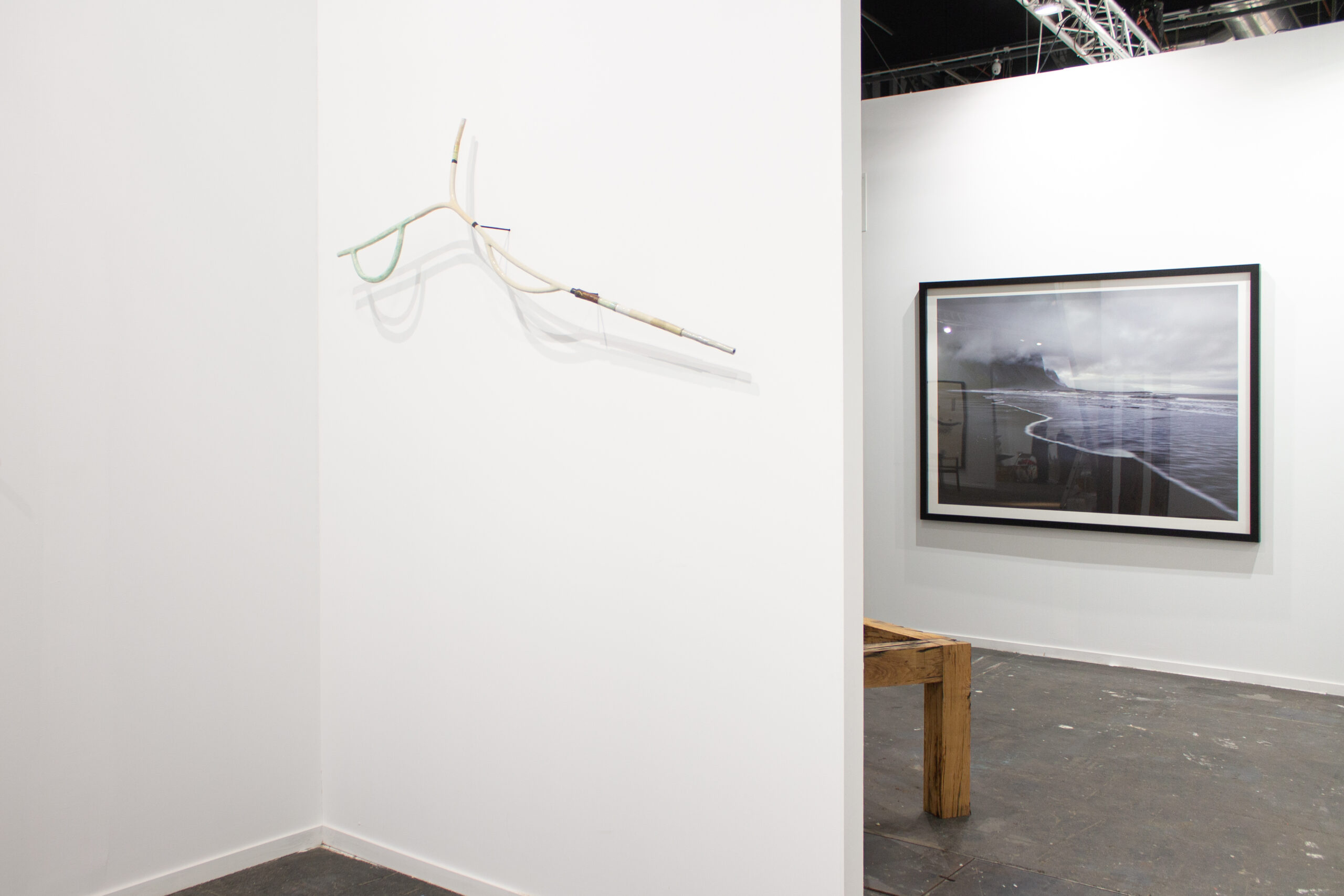
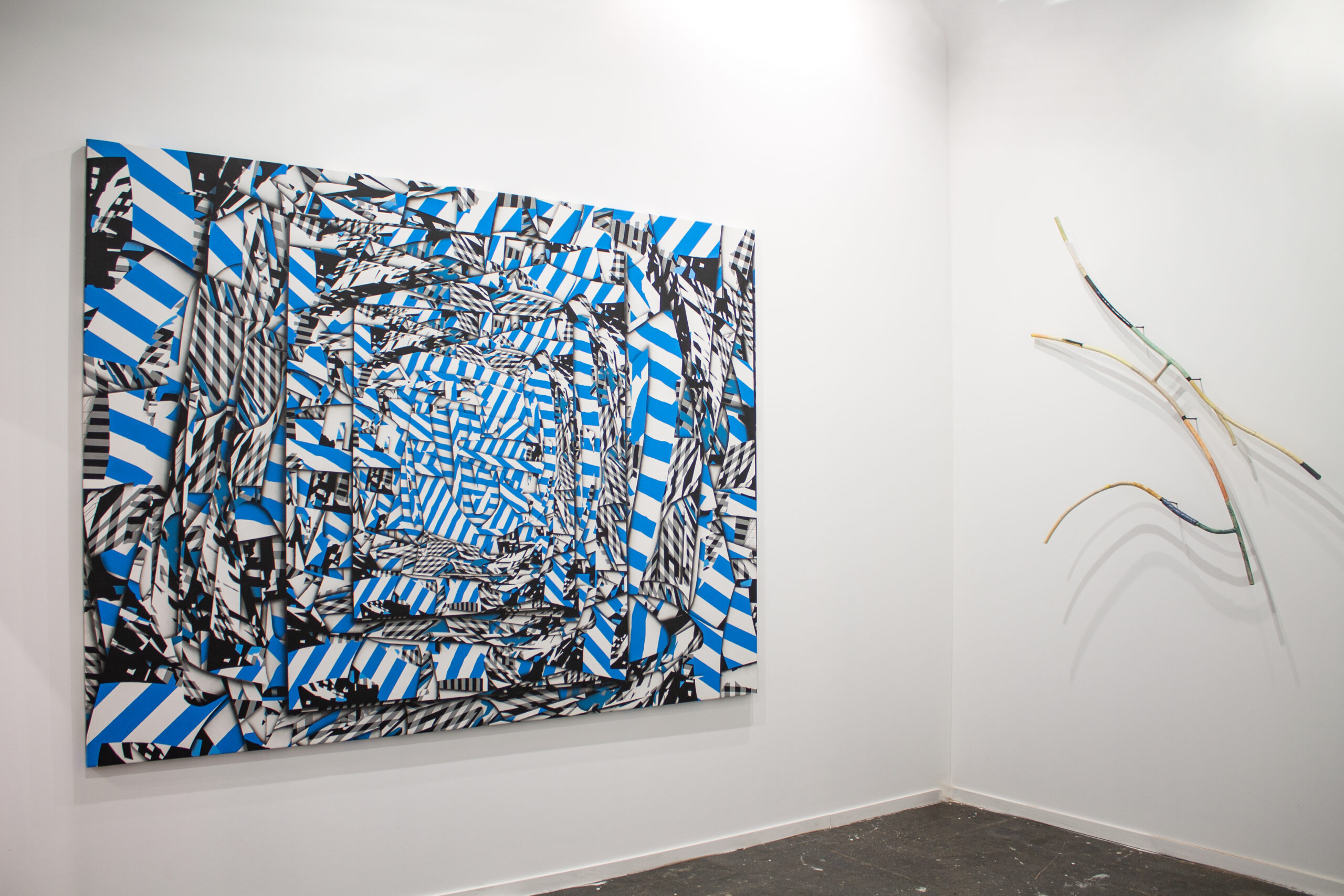
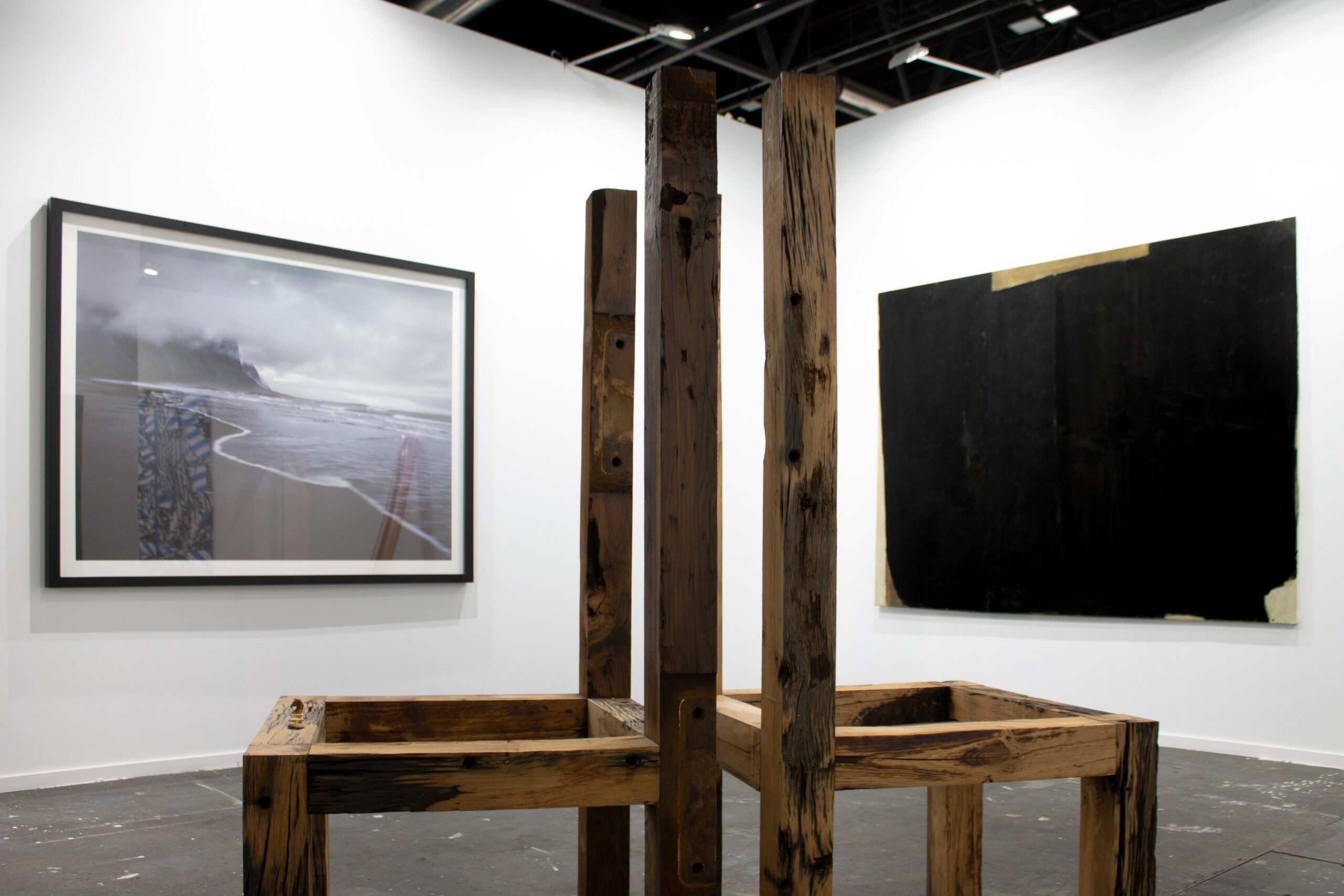
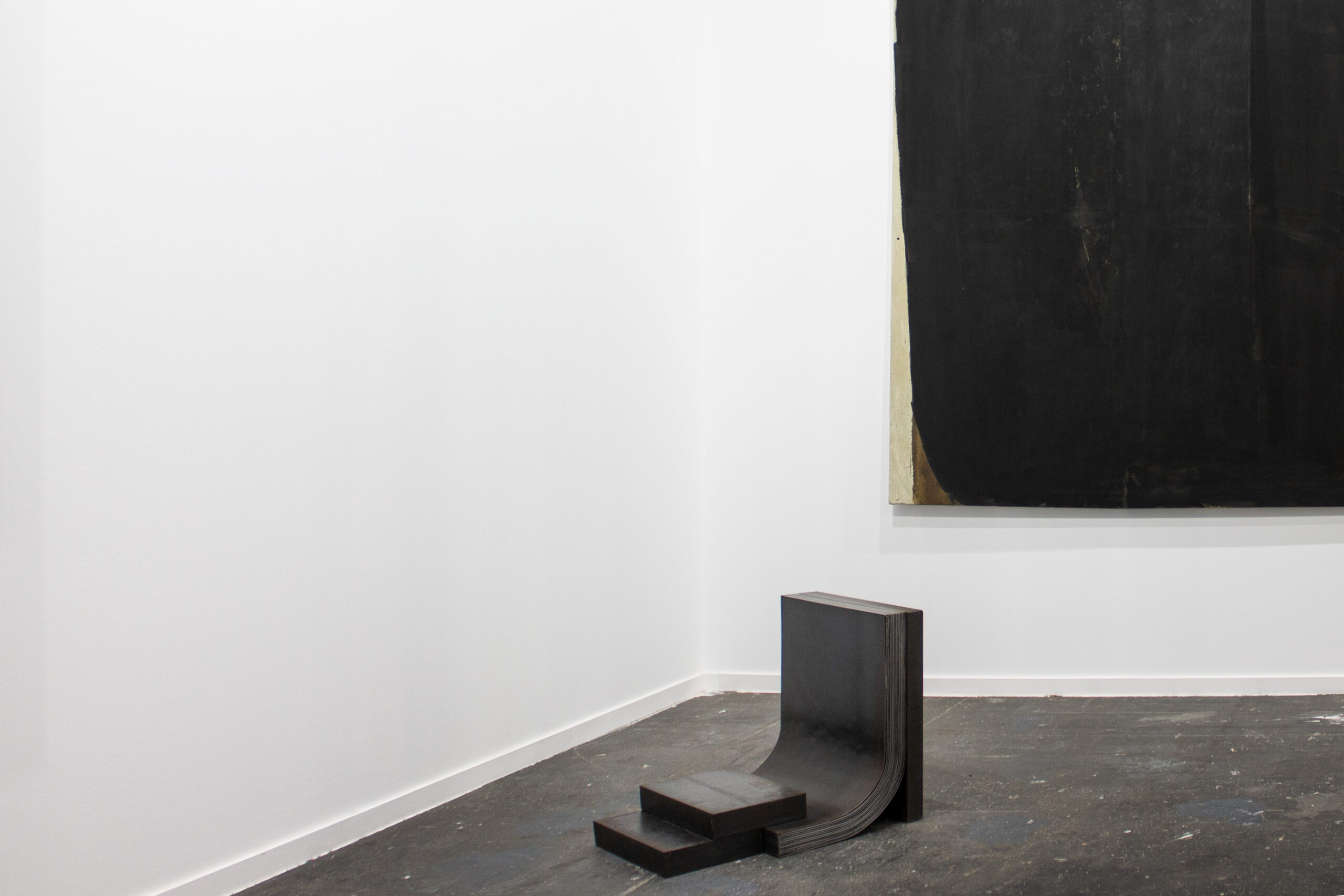
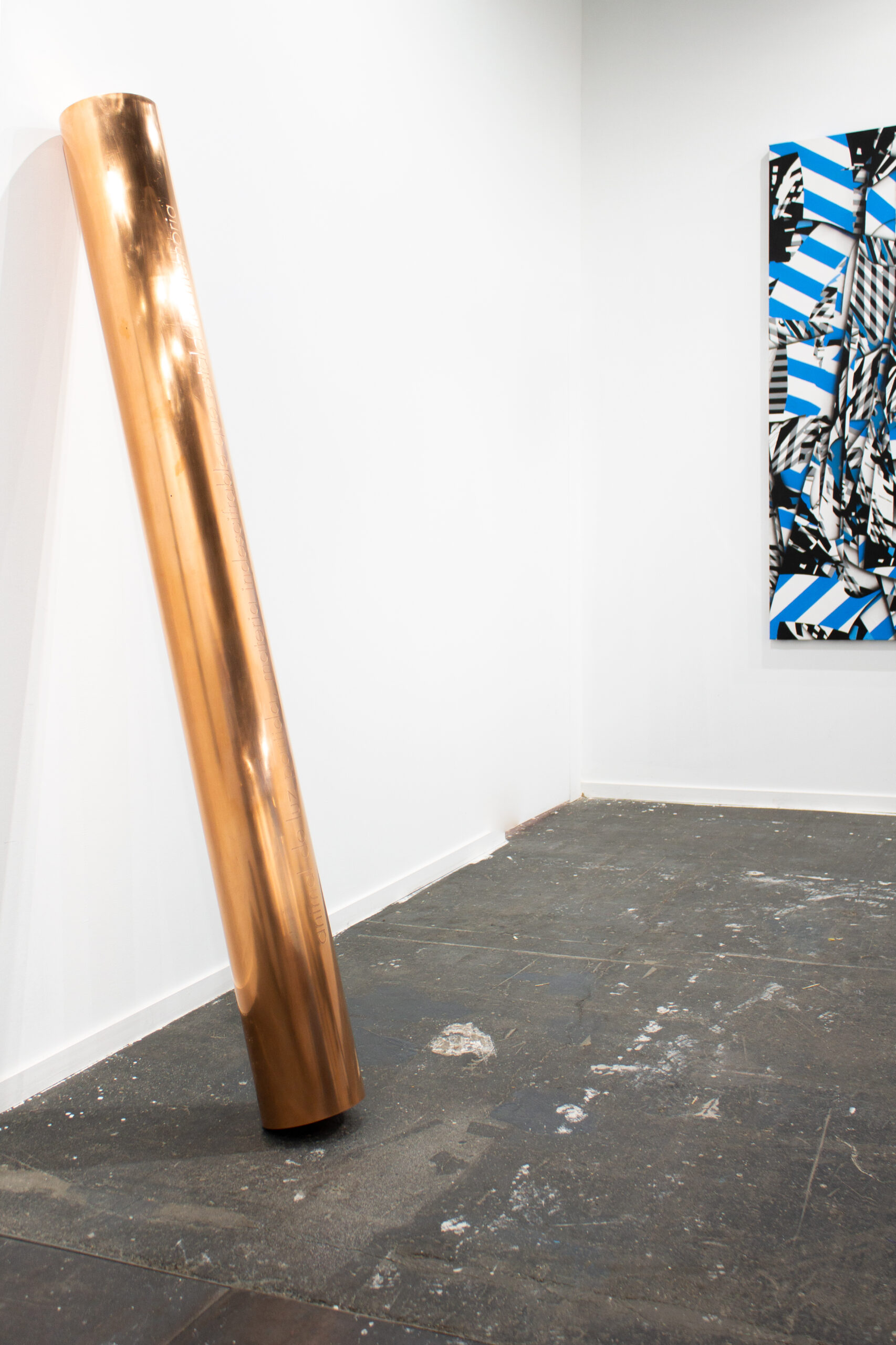
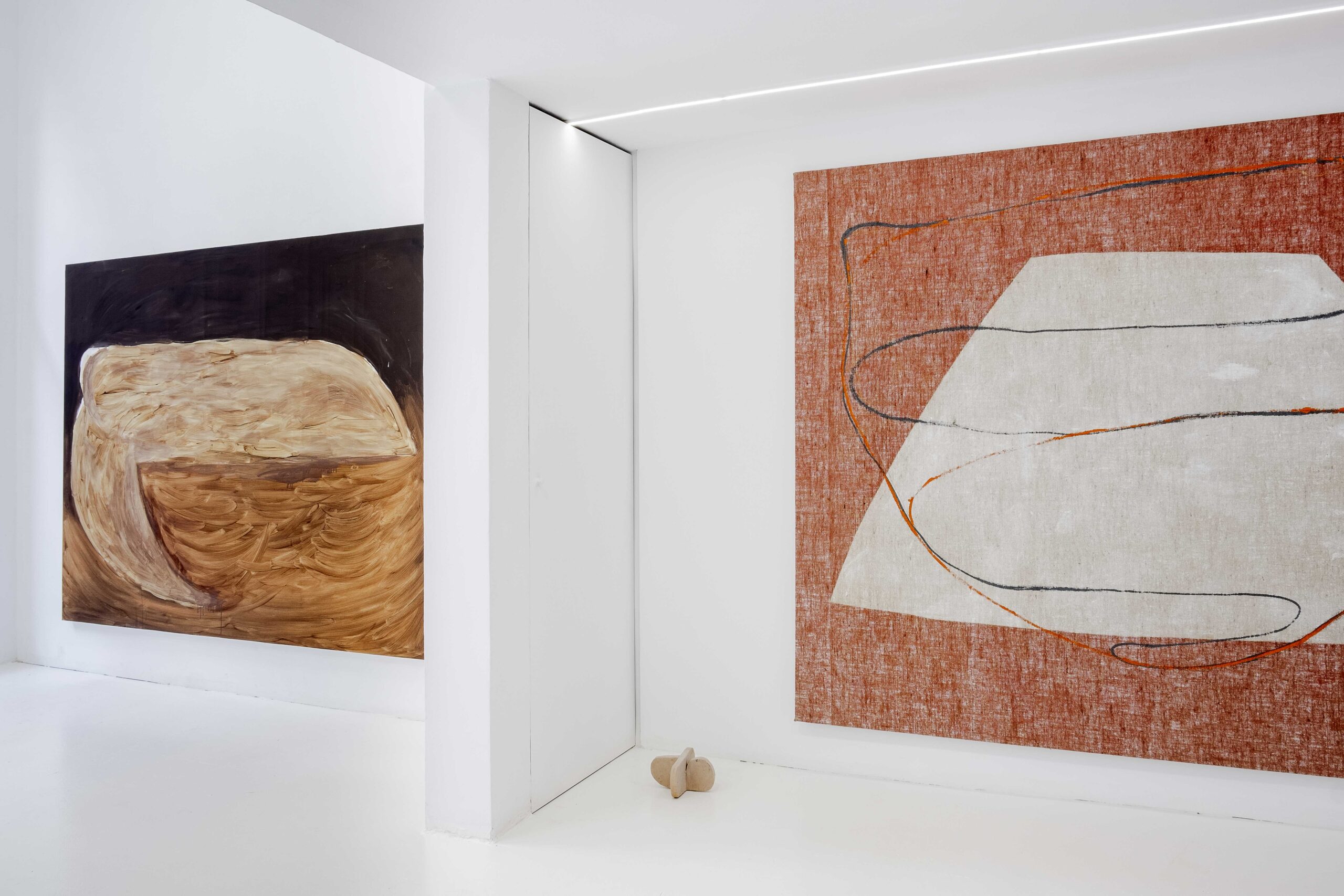
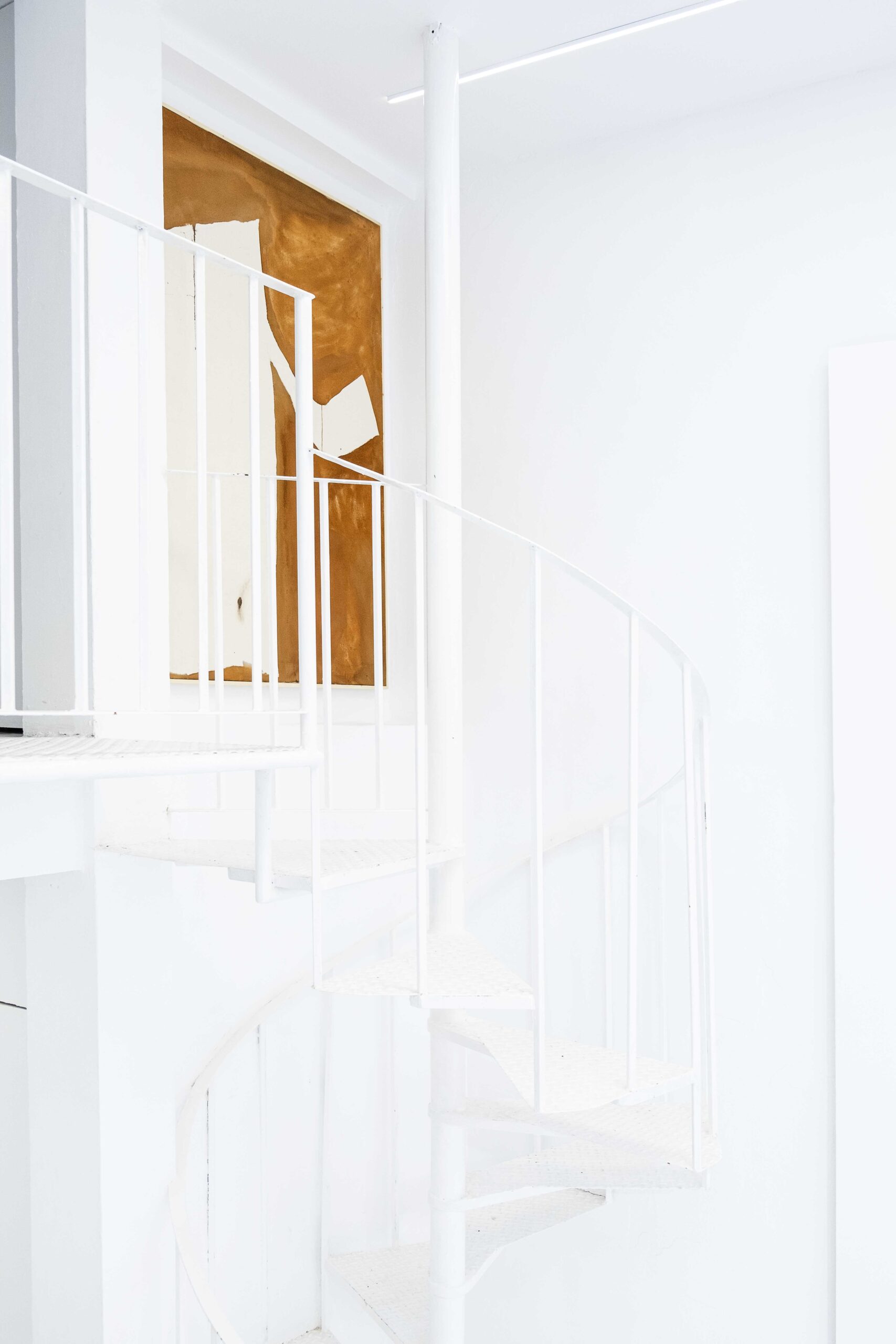
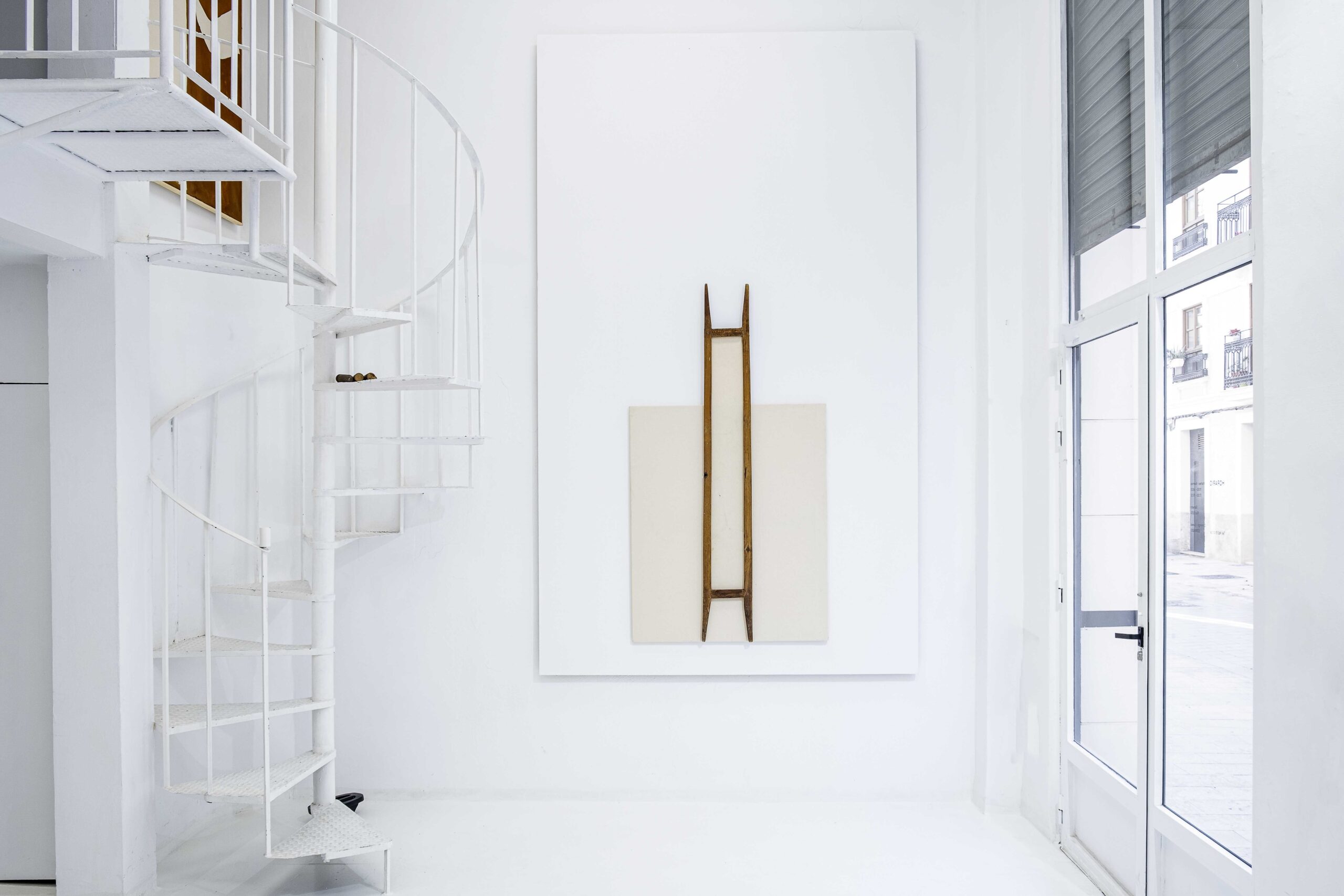
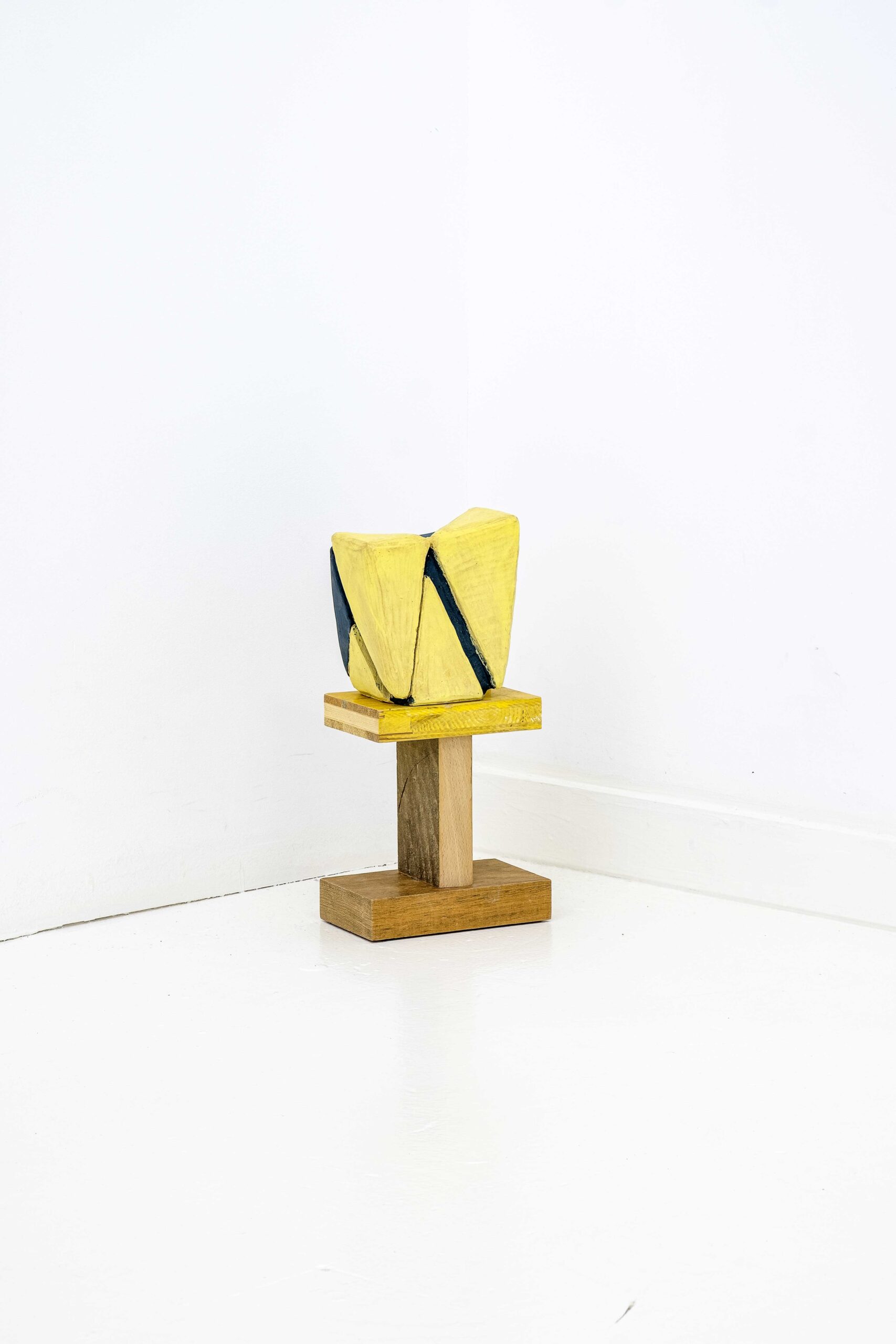
Keke Vilabelda's work focuses on the processes of construction and transformation of the natural landscape and contemporary urban space. Through painting he investigates our changing relationship with the environment and new ways of observing it. His works are built through the interaction of multiple techniques and a wide range of materials, such as cement or methacrylate, as well as photographic and digital media, generating his own but very diverse language.

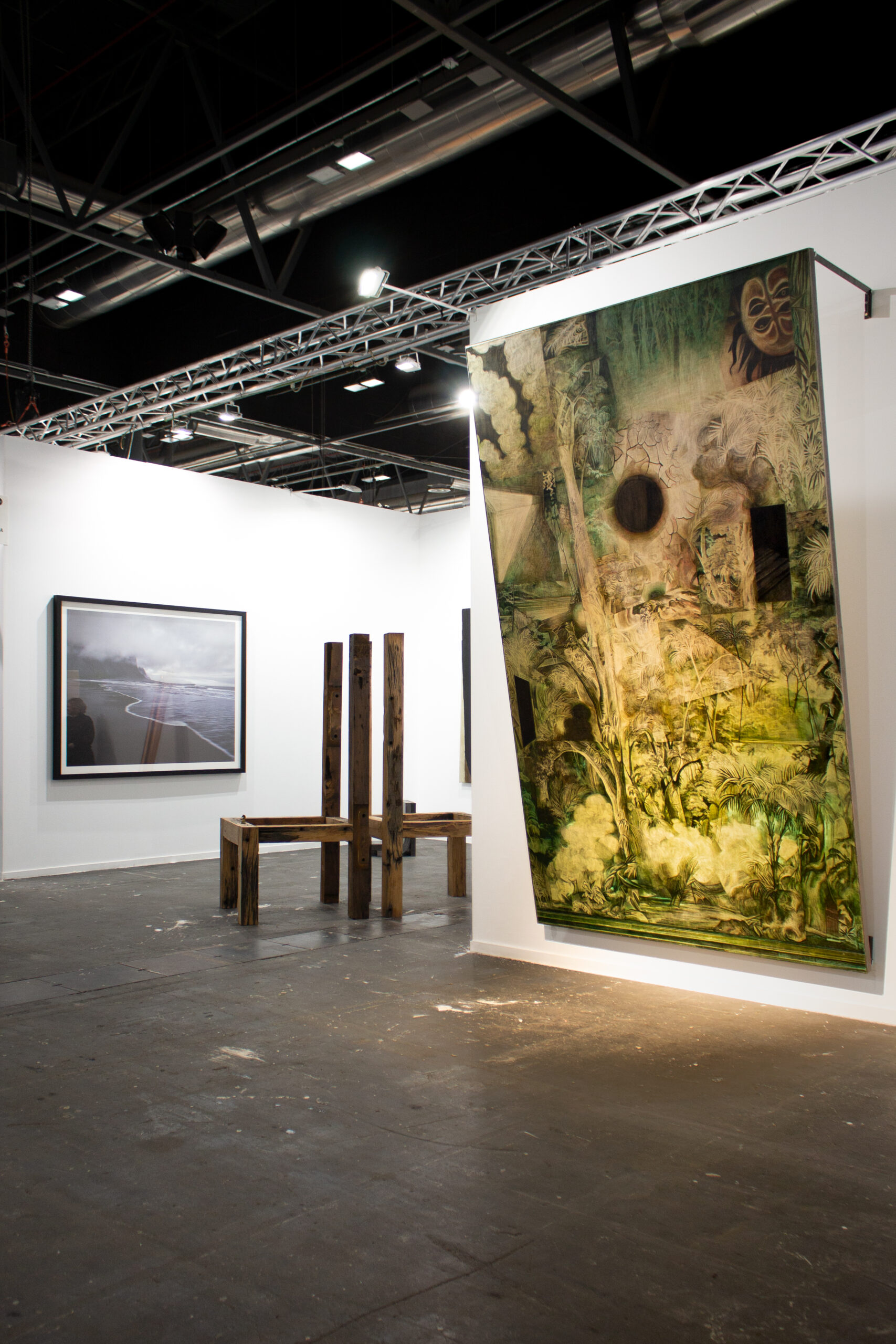
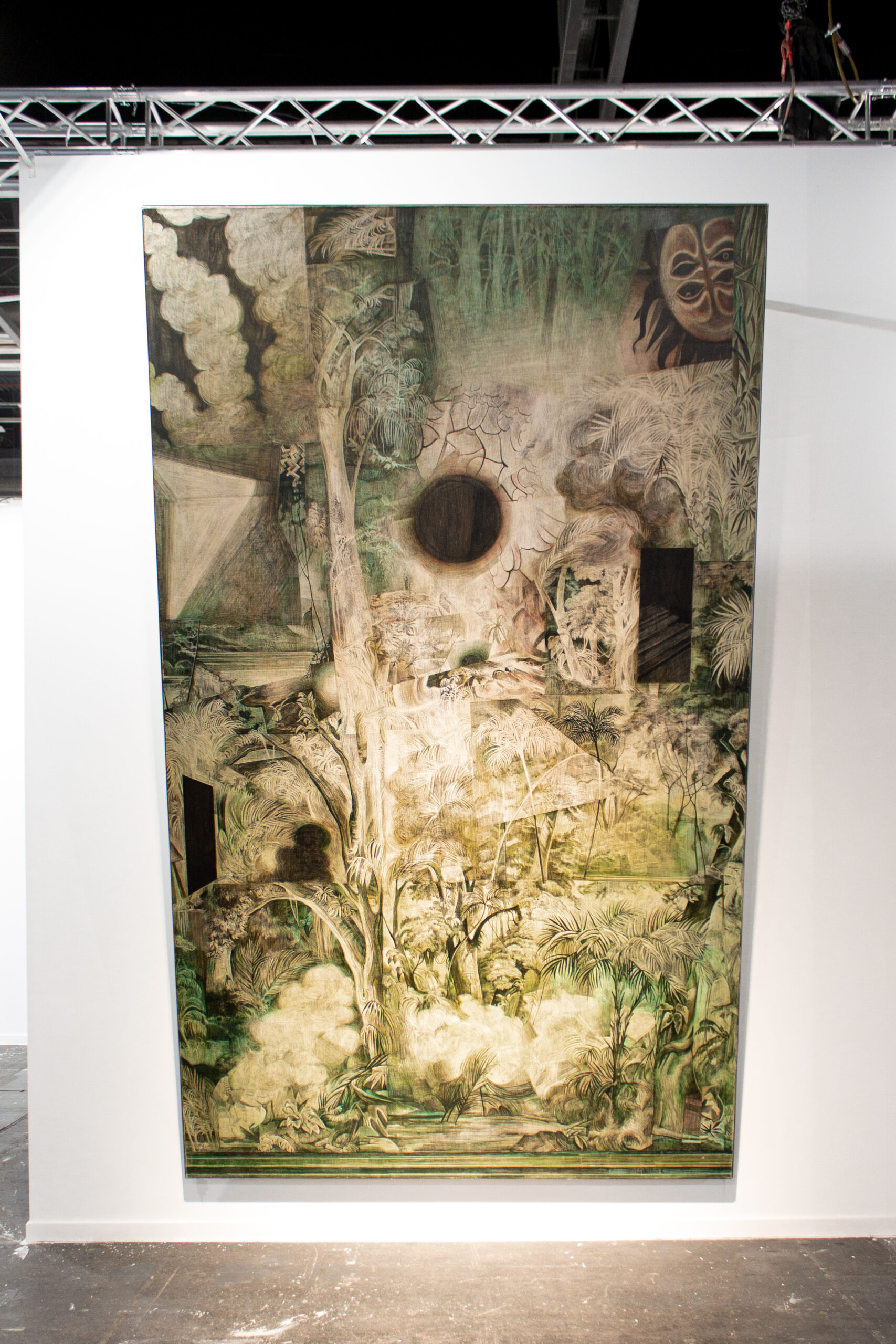
Federico Miró's work represents natural landscapes through a technique that evokes textile art, suggesting the texture of intertwined fabrics and patterns that belong to another era. These elements invite you to reflect on the time involved in creating your pieces.

Mónica Maneiro, in charge of the exhibition text, points out "In Keke Vilabelda's paintings the matter moves by mechanical action, it opens by pressure generating landscapes that emerge from the works themselves. The idea of accident as power, of error as creative force, appears to value the unpredictable. In Federico Miró's painting the failure is implicit in the very scaffolding of the motif, nothing works, the planes of representation coexist, as in a drift of memory that tries to stitch together the collage of our vision. of the world.” Keke Vilabelda la materia se desplaza por acción mecánica, se abre por presión generando paisajes que surgen de las propias obras. La idea del accidente como potencia, del error como fuerza creadora, aparece para poner en valor lo impredecible. En la pintura de Federico Miró el fallo está implícito en el propio andamiaje del motivo, nada funciona, los planos de representación coexisten, como en una deriva de memoria que intenta coser el collage de nuestra visión del mundo”.

Vilabelda graduated from the UPV in 2009. Master in Arts from Central Saint Martins London in 2011. He has individual exhibitions in Spain, the United Kingdom, Belgium, Peru, Poland, Colombia, Mexico, Portugal and Australia. In addition, he has participated in important fairs and group exhibitions in China, Germany, the United States, Italy, France, Portugal and Switzerland. He has received numerous awards and scholarships from institutions, including: SMTCHI New Sensations, BMW Ibérica, The Royal Academy of San Carlos, the Valencia City Council and the Government of Spain. He has carried out residencies at Casa Wabi Oaxaca, Casa Velázquez in Madrid ZonaSeis México and Fundación Miró Mallorca.

Regarding Federico Miró's training, he obtained his bachelor's degree in Fine Arts at the University of Malaga in 2013 and completed the Master of Research in Art and Creation at the Complutense University of Madrid in 2014. Some of his most notable achievements include the Casa Velázquez Scholarship in 2025, the first Manuel Ángeles Ortiz painting prize from the University of Jaén in 2020, the BMW painting prize for innovation in 2017 and first prize at the “Salón de Verano” exhibition at the Moncloa room in Madrid in 2014.

The Madrid galleries F2 and Ponce + Robles participate in this exhibition.


PAISAJES DEL DESPLAZAMIENTO Read More »

SWAB 2025

SWAB 2025

02.10.2025 – 05.10.2025

Marta Valledor


In a gesture of geographical complicity and shared sensitivity, two galleries—ATM and Jorge López—one rooted in the North Atlantic of Gijón and the other focused on the Mediterranean light of Valencia, have decided to weave a joint dialogue to foster a proposal that transitions between the intimate and the expansive, presenting a young artist at the SWAB fair in Barcelona.


The choice of Marta Valledor (Santander, 1995) as the centerpiece of this collaboration is not a coincidence, but rather a clear desire to support an emerging voice whose work has already begun to subtly alter the landscape of contemporary Spanish art.


Valledor, recently incorporated into the collection of the Museum of Modern Art of Santander and honored at SWAB 2025 with the Kells Collection Prize, yet to reach her full potential, stands out as a promising artist to watch among the younger generations of Spanish artists.

SWAB 2025 Read More »

felices los que creen sin haber visto

Felices los que creen sin haber visto

26.09.2025 – 21.11.2025

The artistic practice of Miguel Rothschild (Buenos Aires, 1963) delves into the tensions between the sacred and the profane, the sublime and the fragile, the devotional and the ironic. From Berlin, where he has lived for three decades, he has developed a language in which everyday materials—shattered glass, nylon, pins, fishing lines, confetti, crystal diamonds—are transformed into vehicles of the numinous, into visual paradoxes that destabilize perception and complicate the aesthetic experience.


As Walter Benjamin recalled, "There is no document of culture that is not at the same time a document of barbarism." He also warned that, upon leaving the churches and entering museums, religious images lost their liturgical function but retained their cultural value. It is at this threshold that Rothschild stands: he does not seek to restore the lost faith, but rather to activate a visual memory laden with displaced symbols, with remnants, with a retreating aura.


The exhibition "Happy Are Those Who Believe Without Having Seen" deploys this tension in a group of works that reactivate the symbolic power of the sacred through material, visual, and poetic strategies. In Lo Numinoso, the transparency and vibration of fishing lines stretched over photographic paper condense the search for the invisible, the intuition of a presence that cannot be shown but only insinuated. This same fragility appears in Absolution, where photographs of confessionals transformed into precision games with steel balls transform the rite of repentance into chance and repetition. The violence of the image paradoxically opens a horizon of redemption: the wound becomes a path to liberation.


Excerpt from the text by Iñaki Martínez Antelo Iñaki Martínez Antelo


felices los que creen sin haber visto Read More »

PALAN PALAN

Palán Palán. Para una estética del contagio

13.06.2025 – 18.09.2025

In keeping with the Palán-Palán spirit, the Jorge López gallery opens its doors to various "invasions," unexpected appearances of other people's works: in some cases the guests are friends, in others, admired artists, and in still others, the choice is almost random. In any case, the encounter enriches both parties and clarifies their mutual intentions: Alberto sets himself the challenge of seeing himself through the other, unraveling in brief texts the bond that unites him to those who cohabit his space.

As the boundary between self and other blurs, the notions of authorship and ownership also become more complex: the interchangeable relationship between everyone and the mutual redefinition of the exhibition and, more generally, the system, even in terms of symbolic value.

Excerpt from a text by Benedetta Casini, Independent Curator.

PALAN PALAN Read More »

CERARTMIC

CerARTmic "Lo que queda después del fuego

05.06.2025 – 08.06.2025

 Group Show


This project was created for the CerARTmic 2025 fair, bringing together three outstanding artists: Javier Bravo de Rueda, Eduardo Barco, and Pablo Bellot. It unfolds like an impossible catalogue, an archaeology of situations that never existed, yet inhabit each ceramic work.

Here, ceramic is treated as a living form, one that remembers, that breathes, that screams, that writes and that dreams.

The project begins with an intuition: ceramics are not just fired earth; they are a voice hardened by flame, a bowl, an urn, a brick.

Each piece holds an echo in three states: fire, scream, and code.

Ceramic here is more than a mere object.

It is witness.

It is voice.

It is archive.

CERARTMIC Read More »

TIERRA DE NADIE

Tierra de nadie

10.04.2025 – 18.05.2025

 Candela Bado


Tierra de Nadie is the winning project of the first edition of the Petrona Program, an initiative of the Department of Cultural Internationalization of the Ministry of Education and Culture of Uruguay and supported by Miguel Hernández University of Altea, Spain

The project is part of Jorge López Galería's second residency, where Uruguayan artist Candela Bado is invited to work for a month at Miguel Hernández University of Altea, and is curated by Agustina Bornhoffer.

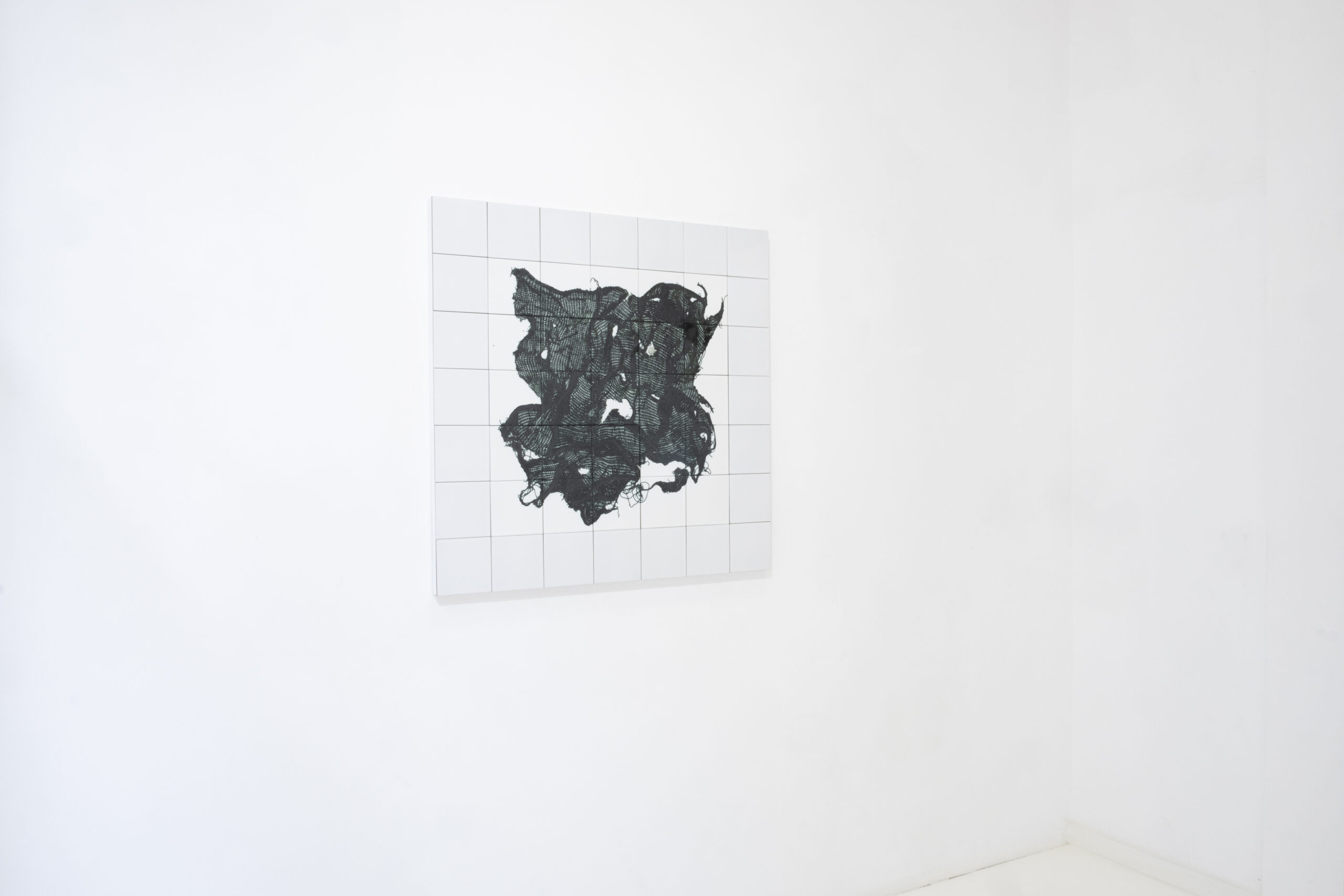
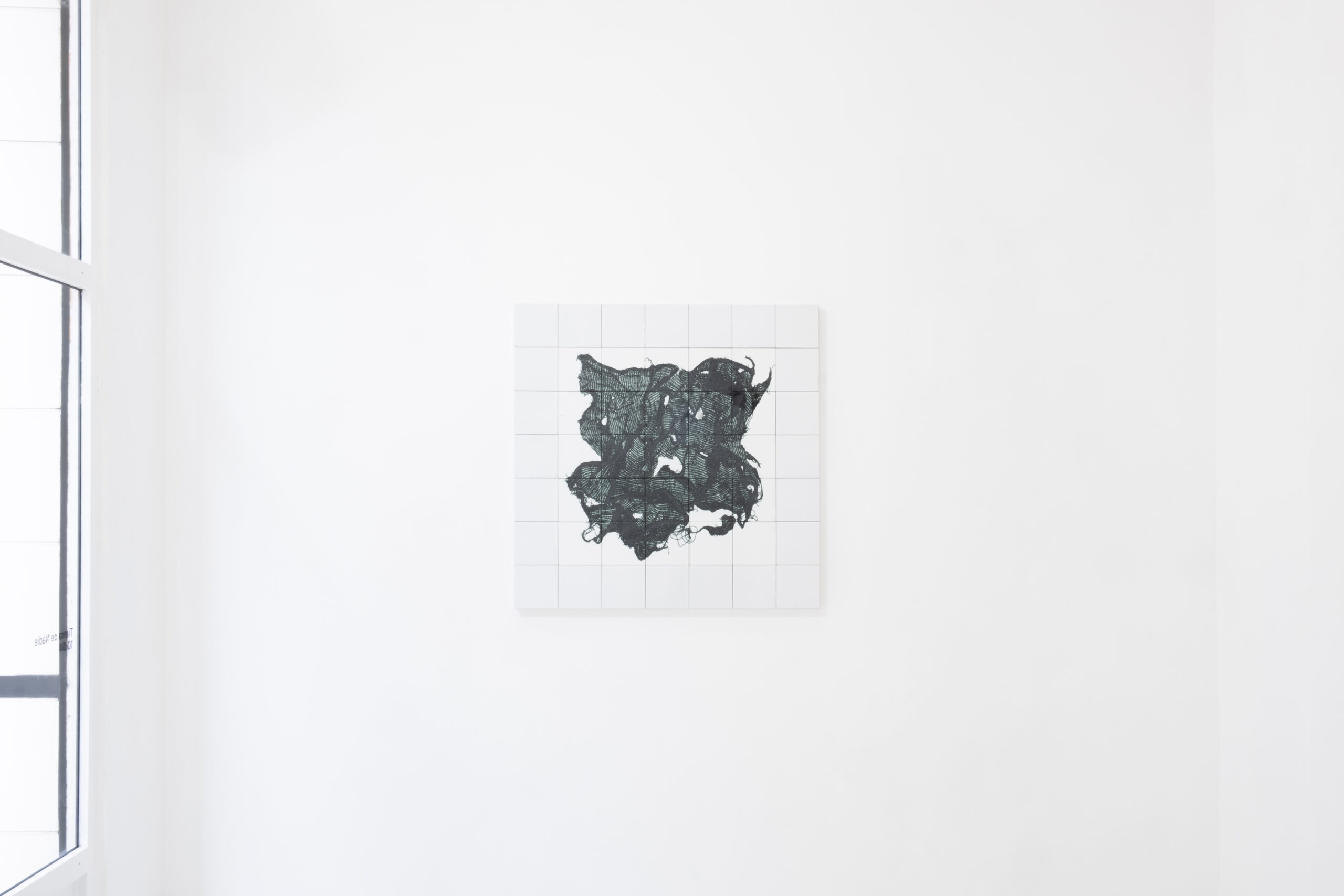
Candela Bado creates installations that consider the relationship between objects that divide domestic interior space and the exterior structures that operate it. In her work, she uses tiles to explore their boundary function, simultaneously recording the transformation of matter on their surfaces. In the accumulation and arrangement of these ceramic elements, the grid becomes a system of order and tension, articulating a spatiality that proposes new forms of interpretation through zenithal observation and the constellation of objects.

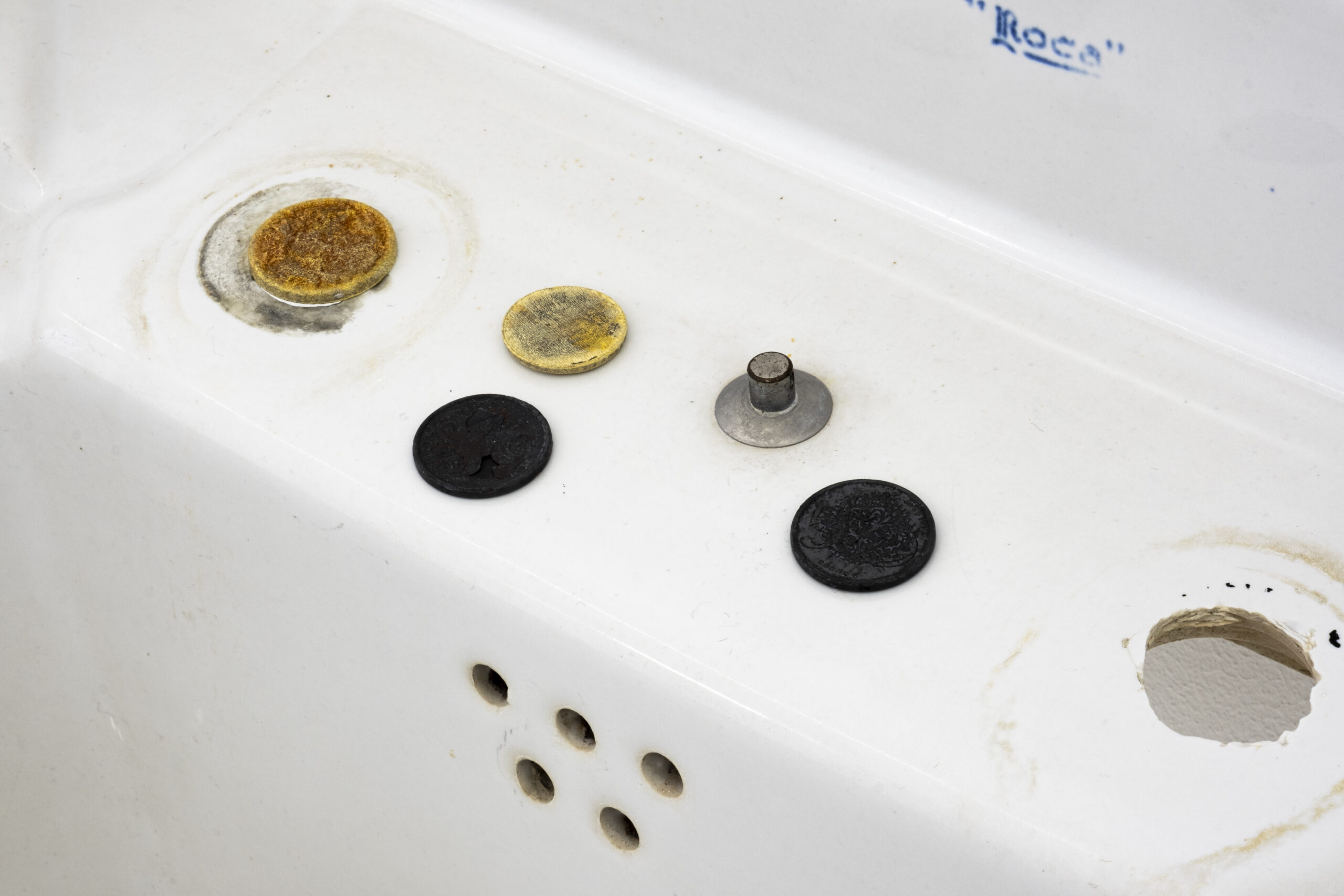
From a material perspective, Tierra de Nadie From a material perspective, Tierra de Nadie examines the transit of bodies in and out of the home through the circulation of elements such as water, glass, ceramics, and metal, placing the function of these constructed sites in tension, whether as a place of containment or exclusion. In this sense, the work questions the way architectural languages have been used to impose norms of order and separation in living space.

Candela Bado (Montevideo, 1991) is a visual artist who works with sculpture, ceramics, and installation, exploring the power of liminal objects and their relationship to space and memory. She studied at the Royal Academy of Art in The Hague and Columbia University in New York. Her work has been exhibited at institutions such as Wallach Gallery in New York, TENT Rotterdam, and Salone Internazionale del Mobile in Milan, among others. She will soon participate in the Skowhegan School of Painting & Sculpture residency in the United States.

TIERRA DE NADIE Read More »

ARCO | CANTES DE IDA Y VUELTA

ARCO | Cantes de ida y vuelta

05.03.2025 – 09.03.2025

 Group Show


This project is a cultural maze that connects artists from Europe and Latin America, mirroring the migrant’s journey. Five artists present works that evoke a “cante de ida y vuelta”,enriched by influences from both sides of the Atlantic. The works on display trace cultural routes, exploring themes of belonging and displacement. This journey culminates in a reflection on migration and artistic transformation, bridging oceans and cultures in an ongoing exchange.

From Istanbul, crossing the Mediterranean, to Mexico, the Río de la Plata, and circling back through Antarctica, this journey not only reveals showcases the richness of musical expressions shaped in transit but also the adaptation and artistic evolution that emerge from cross-continental interaction.

The artists—María García Ibáñez (Spain/Mexico), Álvaro Porras Soriano (Valencia), Volkan Diyaroglu (Istanbul/Berlin), Matías Ercole (Buenos Aires), Amparo Tormo (Valencia), and Manuel Vilariño (Galicia)—are situated in the exhibition space as a journey tracing a cartography of maritime and cultural routes between the West and America, starting in Valencia.

ARCO | CANTES DE IDA Y VUELTA Read More »

EN ESTE LUGAR DONDE NADA ES MIO

En este lugar donde nada es mío

07.02.2025 – 21.03.2025

Álvaro Porras & Eduardo Barco


Álvaro Porras (1992, Ciudad Real), resident artist of the gallery, and Eduardo Barco (1970, Ciudad Real), guest artist, join forces to shape the exhibition “En este lugar donde nada es mío,” a project that proposes a dialogue between the works by Porras and Barco, two artists who are exploring the linguistic power of abstraction.

Inspired by the poem Maldito yo by also from Ciudad Real, Dionisio Cañas (Tomelloso, 1949), the exhibition includes a series of exercises that evoke a complex relationship with the landscape and the construction of belonging that derives from it, like the first verse of the poem: "In this place where nothing is mine, not my life, not my death..."

The text of the exhibition is the work of Álvaro de los Ángeles: (…) in the artists there does not seem to be mourning, nor nostalgia for loss, nor resignation in the face of what has come before or what is to come. Rather, it emanates, in the sculptural pieces or in the canvases of both clearly personal and differentiated, the confirmation of an imaginary that combines the crossed gaze of sophistication with the frontal one of that which is simple and direct.

EN ESTE LUGAR DONDE NADA ES MIO Read More »

Scroll to Top
Privacy Overview

This website uses cookies so that we can provide you with the best user experience possible. Cookie information is stored in your browser and performs functions such as recognising you when you return to our website and helping our team to understand which sections of the website you find most interesting and useful.