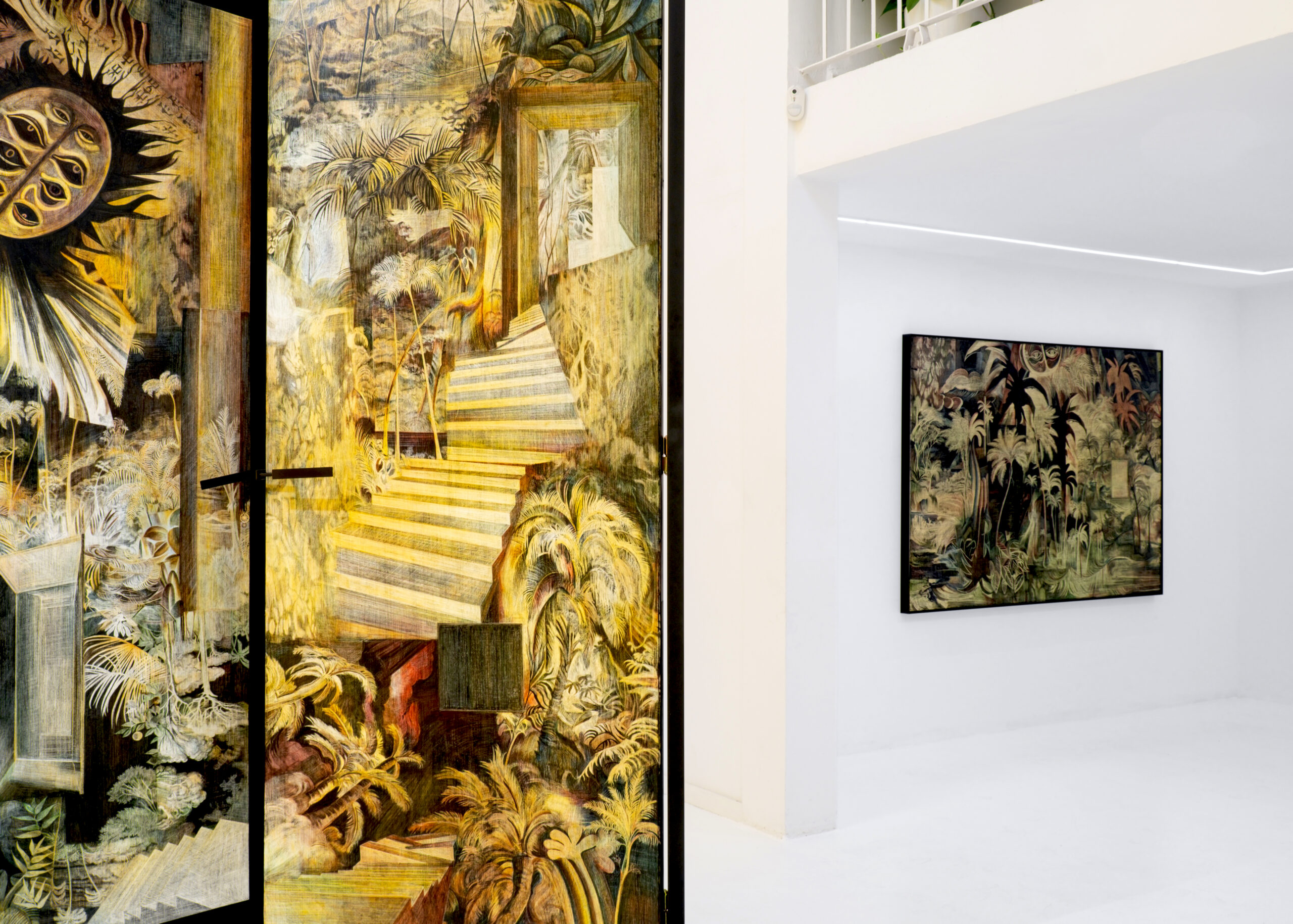
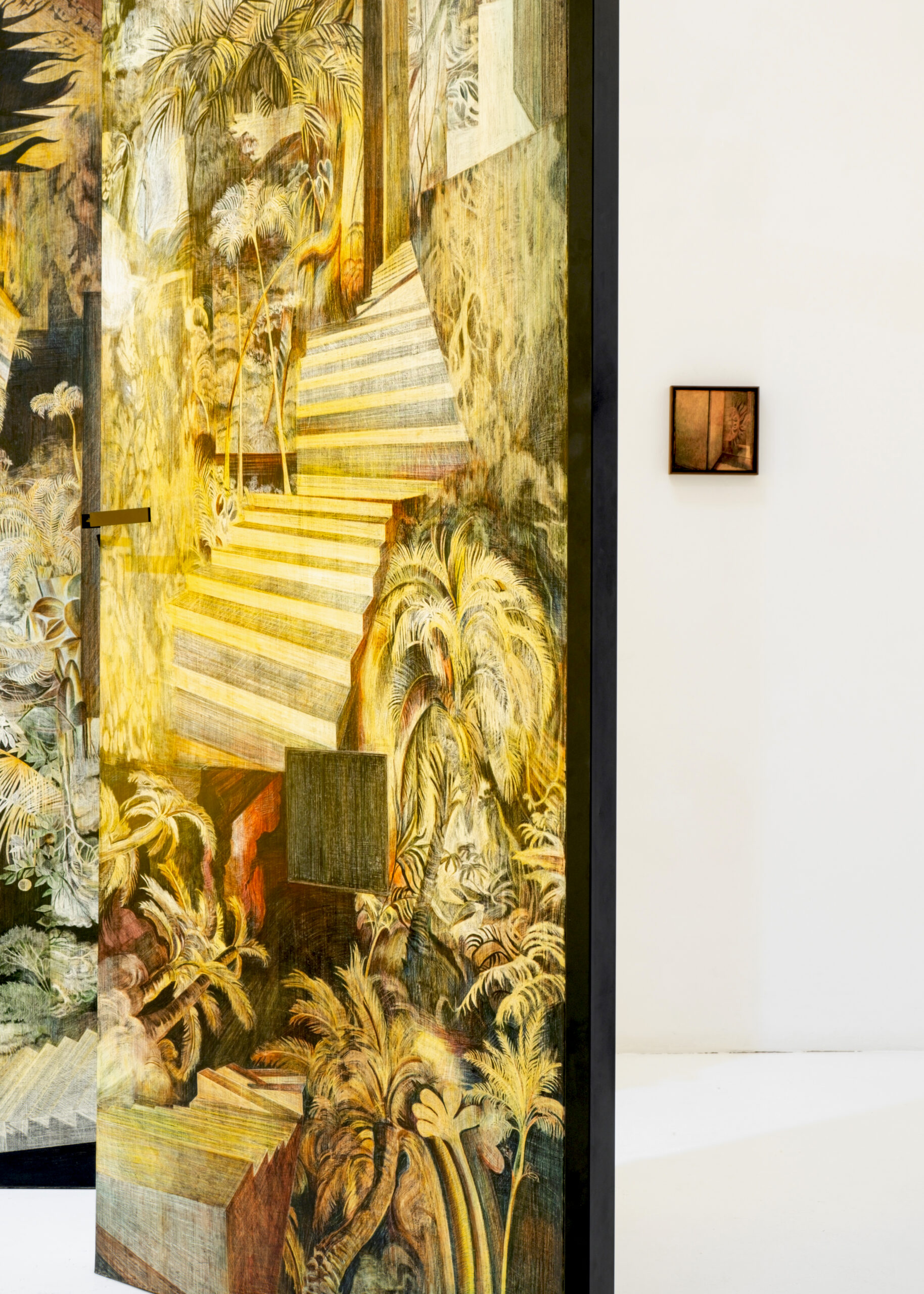
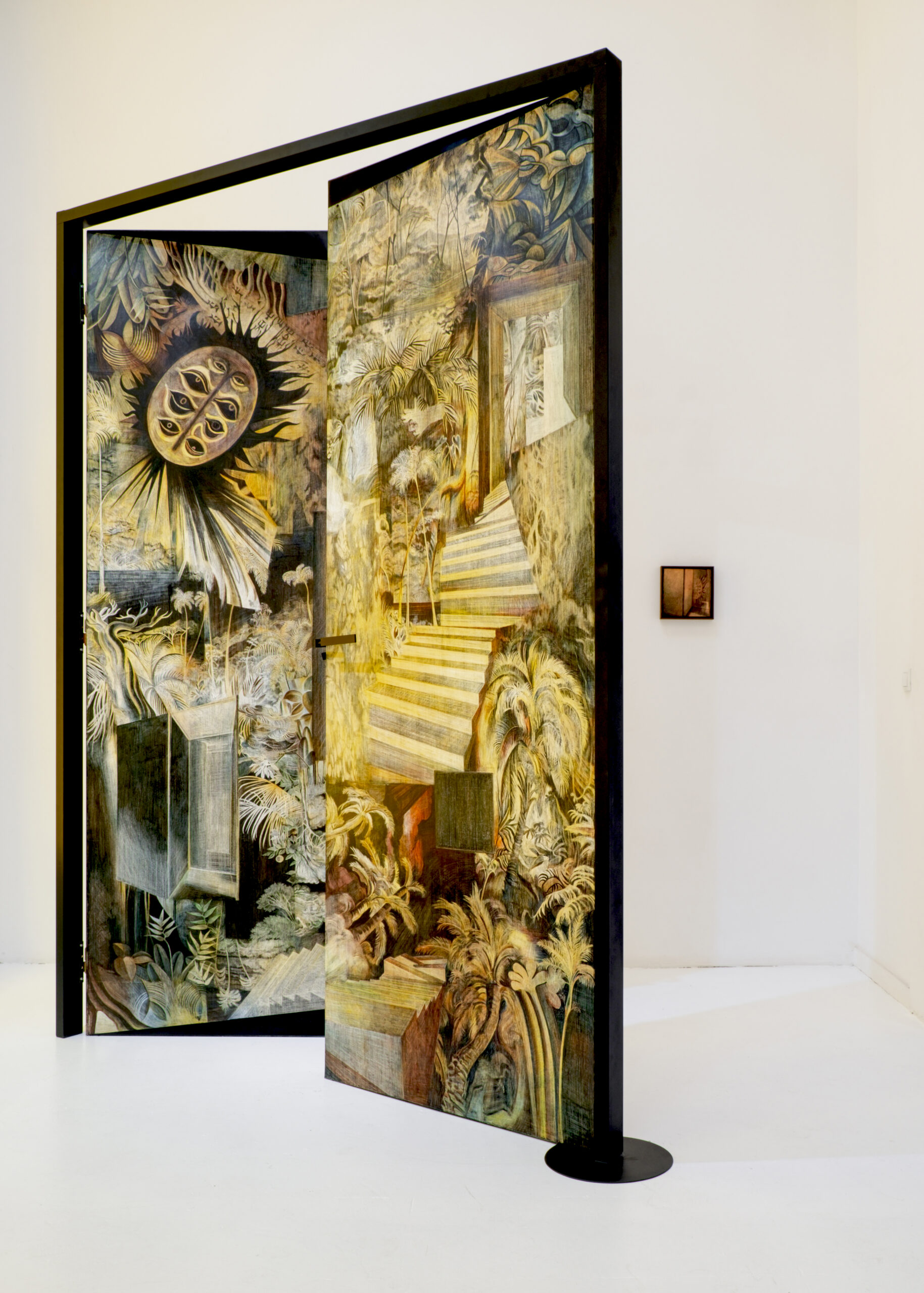
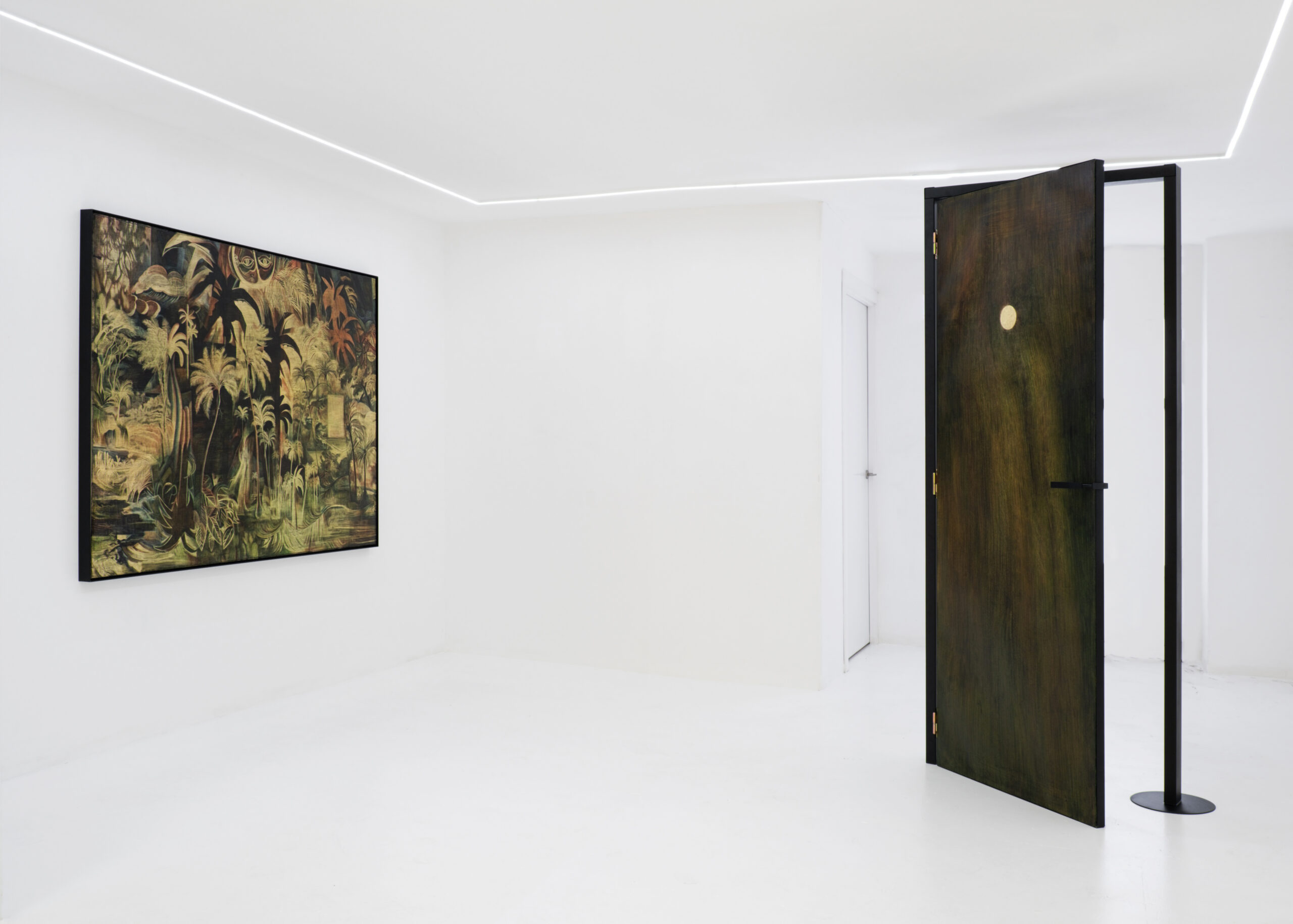
The collaboration between Ponce + Robles Gallery and Jorge López Gallery unfolds as a shared territory from which to reflect on the notion of inhabiting—not as a fixed state, but as a process in constant displacement. The project proposes an understanding of home as an unstable construction, shaped by travel, distance, and memory, where the body—nomadic, vulnerable, attentive—becomes the first form of architecture.
The works brought together explore movement as a formative experience: that which is carried, lost, or transformed along the way. Within this continuous displacement, space ceases to function as a mere container and instead becomes an active interlocutor. The artists engage in dialogue with the spaces they inhabit, marking their own trajectories—paths inscribed both in physical territory and in the imagination—tracing affective and symbolic maps.
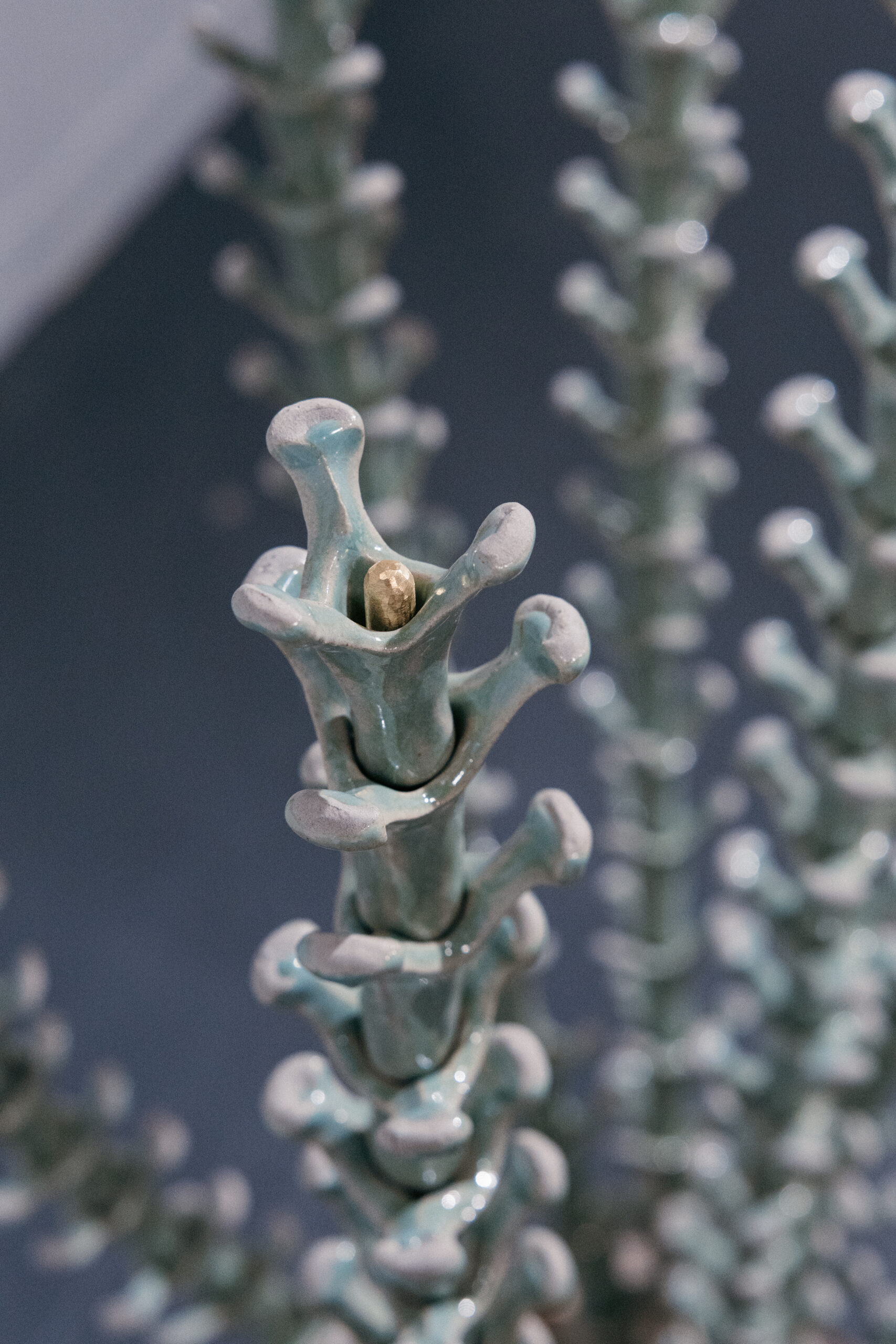
Through ceramics as a shared practice—an ancestral medium linked to the earth, gesture, and time—Patricia Camet, María García Ibáñez, Javier Bravo de Rueda, and Chuiqui García address ideas of ecology, spirituality, travel, and memory. Ceramics emerges here as a slow form of resistance to contemporary acceleration: a language that preserves the imprint of the body and the environment, and that activates a deep attentiveness to material and process.
The project thus brings together two galleries and four artistic perspectives that understand inhabiting as a relational practice—with the land, with history, with the spiritual, and with others. Rather than offering closed answers, the works pose open questions about how we construct meaning through displacement, and how matter itself can become a living archive of our trajectories. In this fragile yet persistent in-between space, an aesthetic of travel takes shape, proposing new ways of being in the world.
Las obras reunidas exploran el tránsito como experiencia formativa: aquello que se arrastra, se pierde o se transforma en el trayecto. En este desplazamiento continuo, el espacio deja de ser un mero contenedor para convertirse en interlocutor activo. Los artistas dialogan con los lugares que ocupan, señalando recorridos propios que se inscriben tanto en el territorio físico como en el imaginario, trazando mapas afectivos y simbólicos.
Desde la cerámica como práctica común —material ancestral, vinculada a la tierra, al gesto y al tiempo—, Patricia Camet, María García Ibáñez, Javier Bravo de Rueda y Chuiqui García abordan cuestiones relacionadas con la ecología, la espiritualidad, el viaje y la memoria. La cerámica aparece aquí como un medio de resistencia lenta frente a la aceleración contemporánea, un lenguaje que conserva la huella del cuerpo y del entorno, y que activa una escucha profunda del material y de sus procesos.
El proyecto conjuga así dos galerías y cuatro miradas artísticas que entienden el habitar como una práctica relacional: con la tierra, con la historia, con lo espiritual y con los otros. Más que ofrecer respuestas cerradas, las obras plantean preguntas abiertas sobre cómo construimos sentido en el desplazamiento y de qué manera la materia puede convertirse en archivo vivo de nuestras trayectorias. En ese entre-lugar, frágil y persistente, se configura una estética del viaje que propone nuevas formas de estar en el mundo.